



CBD in 2025: What Has Really Changed
CBD has evolved very quickly in France. In just a few years, its image, legal framework and uses have taken a solid place in consumers’ daily lives.
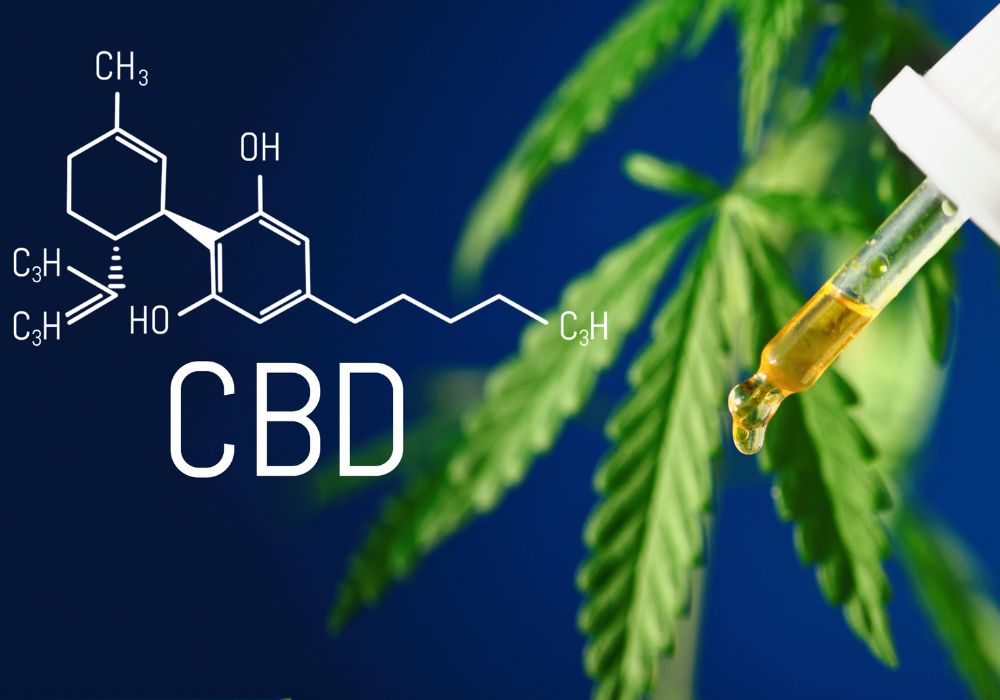
What Does CBD Represent Today?
CBD remains a molecule derived from hemp. It differs completely from THC because it causes no psychoactive or intoxicating effects. French authorities, including MILDECA, regularly remind consumers of this distinction, helping them better understand what they are buying.
The legal framework has also stabilized. In France, a CBD product is allowed as long as its THC content does not exceed 0.3 percent. This threshold follows the 2021 decree and rulings from the Court of Justice of the European Union. Successive updates between 2023 and 2025 have reinforced the legitimacy of the market. The sale of flowers, oils, resins and other derivatives now follows a clear set of rules, reassuring both shops and customers.
CBD is no longer limited to one form. Consumers now find flowers, sublingual oils, e-liquids, capsules, cosmetics and even food products. Studies from Xerfi confirm this diversification. CBD now adapts to everyday routines and very different user profiles.
Who Uses CBD, and Why?
The CBD audience has broadened, creating a diverse and dynamic market. Physical shops now number in the thousands, often estimated between 2,000 and 2,500 points of sale across France. Online commerce is also accelerating rapidly. Several economic analyses predict continued growth over the coming years.
Consumers’ motivations remain simple and understandable. Many seek support for stress, sleep or everyday discomfort. Others want to reduce or quit their use of tobacco or cannabis. CBD offers a smoother transition, without any psychoactive effects. Many people also see CBD as a more natural option than traditional alternatives. However, sources like Inserm and Ameli emphasize that these uses are mostly based on user feedback.
Science is progressing, but remains cautious. Research on CBD shows positive indications in certain areas, but scientific authorities stress that well-being CBD should not be compared to a medication. It has no official therapeutic recognition. Users must therefore approach it with discernment and avoid unrealistic expectations.
OCB: Rolling Papers at the Heart of the CBD Ritual
CBD flowers have become a best-seller in shops. Many customers prefer rolling them, which naturally puts OCB back at the center of consumption habits.
From Cigarettes to Joints, Then to CBD
OCB is one of the best-known brands in the world of smokers. Slim papers, long papers, unbleached versions or hemp-based options have long accompanied those who roll cigarettes or traditional joints. The brand has followed consumption trends and developed more natural ranges with hemp paper, unbleached sheets and plastic-free filters—an answer to a growing demand for cleaner, more natural products.
The rise of CBD in users’ habits has positioned OCB as an obvious choice. Many consumers want a simple way to roll their CBD flowers and naturally turn to the brand they already know. This shift happens effortlessly, as OCB already enjoys a strong image linked to hemp and “natural” products.
Why OCB Naturally Pairs With CBD
CBD consumers often maintain the same gestures they had when using tobacco or cannabis. They prefer rolling rather than switching entirely to another method. Observations from several specialized websites confirm this trend. The ritual is comforting and helps the transition.
OCB organic hemp papers reinforce this logic. They present themselves as simple, plant-based and fully aligned with the CBD universe. Customers perceive them as a natural extension of their experience.
The brand also benefits from extremely wide distribution. OCB papers are available in tobacconists, supermarkets, gas stations and specialized CBD shops. This accessibility makes the pairing between CBD flowers and OCB almost automatic.
OCB and CBD: How Do Consumers Use This Combination?
The OCB + CBD pairing takes different forms depending on individual profiles, habits and goals.
CBD Joints Rolled With OCB
Pure CBD joints are becoming increasingly popular. Users who roll flowers without tobacco seek light relaxation with no nicotine and no psychoactive effect. Several shops and CBD websites report this shift in habits.
For other consumers, mixing CBD with tobacco remains common. Former cannabis users tend to preserve their usual gestures and integrate CBD into their daily routine. The Addict Aide platform highlights the persistence of tobacco in many mixtures.
A small niche is also developing around CBD-based tobacco substitutes. Some people use herbal blends or tea-style mixtures. Brands like Équilibre CBD promote this option.
Main User Profiles
OCB + CBD habits vary depending on the consumer’s background:
- Reduction of THC among cannabis users who alternate CBD joints with traditional ones;
- Preservation of the smoking gesture for former tobacco users who want to detach themselves from nicotine while keeping the social ritual;
- Discovery of CBD among beginners who choose the joint format because it feels simpler than oils or capsules.
Common Arguments Heard in Shops
Shop-floor arguments are often similar. Many clients think a CBD joint is less harsh than a THC joint. They are right in terms of psychoactive effects, but MILDECA regularly reminds the public that any combustion remains harmful for the lungs.
Other clients seek help with stress or evening relaxation. User feedback supports this interest, although organizations like Inserm emphasize that scientific evidence is still limited.
Finally, many view OCB hemp papers as a more natural option. This perception makes sense, but should not hide an important reality: smoke—whatever the plant—is still irritating for the respiratory system.
Is the OCB + CBD Combination Really a Winning Choice?
The question comes up frequently in shops. Many customers naturally associate CBD flowers with OCB rolling papers. While this seems logical, the practice deserves a nuanced assessment.
The Benefits You Can’t Ignore
The main strength of the OCB + CBD duo lies in the absence of THC. Users avoid psychoactive effects, THC-related dependency and any classification under narcotics law, as pointed out by MILDECA and the Ministry of the Economy. CBD offers a gentler, legally clearer form of consumption.
Another benefit appears among people trying to distance themselves from cannabis. CBD joints allow some to keep a familiar gesture. Specialized retailers such as Canebiera report this behavior among many individuals reducing or quitting THC.
The CBD market also benefits from stronger regulation. Products must contain less than 0.3 percent THC, often with third-party lab analysis. This environment is clearer and safer than a few years ago, allowing consumers to easily identify reliable products.
The Major Health Limitations
Despite the advantages, several limitations remain. Combustion is the main issue. It releases tar, carbon monoxide and other irritants. Public health experts emphasize that smoke—whether from cannabis, tobacco or any plant—poses respiratory risks. Organizations like GAE Conseil or CCUASS highlight this problem.
Another concern is the CBD + tobacco mix. When a consumer adds tobacco, nicotine dependency persists, along with cardiovascular and respiratory risks. Sources such as orsag.fr underline these dangers, often underestimated in the CBD context.
Health authorities also call for caution. ANSM and MILDECA have reported cases of intoxication linked to poorly controlled CBD products since 2024. Some items contained unexpected residues or overdoses. This underscores the need for caution even in a more regulated market.
Alternatives to Enjoy CBD Without OCB
Many customers look for a healthier way to consume CBD. Here are simple options to enjoy CBD flowers or other forms without using OCB rolling papers.
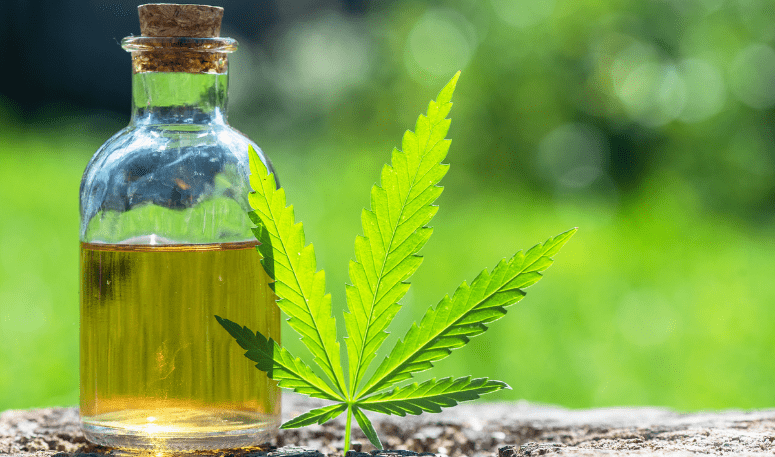
Vaporizing Flowers Instead of Smoking Them
Vaporization attracts more and more users who want to reduce smoke exposure. This method involves no combustion, meaning no tar and fewer toxic by-products. Shops like Canebiera promote this solution because it preserves the hemp aroma while avoiding the harmful effects of a traditional joint. Vaporization also allows users to keep a gesture similar to inhalation without the damage caused by smoke.
Choosing Oral Forms: Oils, Capsules or Infusions
Oral forms are ideal for simple, smoke-free use. Sublingual oils offer precise dosing and steadier effects. Authorities recommend starting with a low number of drops and increasing cautiously. Capsules, infusions and CBD-enriched food products also adapt to daily needs, as confirmed by Xerfi reports.
These products are particularly suited to seniors and people with chronic discomfort. Ameli and Inserm recall that these uses should be discussed with healthcare professionals.
The OCB–CBD pairing can suit certain users, particularly former cannabis smokers or those attached to the joint ritual. It helps avoid THC and offers a smoother transition. However, this solution does not address the main issue, as combustion remains harmful to the lungs according to several specialized health agencies. For long-term well-being, non-smoked alternatives such as oils, vaporization or capsules provide a healthier approach. They allow users to benefit from CBD without reproducing the risks of a joint, even when it contains only CBD flowers.