



Current Legal Framework of HHC in France
The legal framework is essential to understanding the place of HHC in France. Authorities are monitoring this molecule closely, as its use is expanding rapidly. This context creates a strong need for clear information for consumers and specialized retailers.

Legal Status of HHC in French Regulations
HHC does not appear on the official list of controlled substances. This absence creates a legal grey area that fuels confusion among users. Several legal experts believe this situation may evolve due to the compound’s psychoactive nature.
French regulation relies on a strict classification of substances. Molecules producing effects similar to THC naturally draw the attention of authorities. This vigilance also covers production, sales and possession.
HHC can circulate freely in shops as long as no official classification bans it. However, this freedom remains fragile, as inspections are increasing. Retailers are already preparing for potential legal changes.
Position of Health and Law-Enforcement Authorities
Health authorities monitor HHC due to its action on the nervous system. This monitoring includes risks of dependency, psychoactive effects and reported intoxication cases. Specialized centres also note a rise in requests for information.
Law-enforcement agencies track the surge in derivative cannabinoids. Their attention focuses on public consumption and products sold without reliable testing. Occasional inspections target shops experiencing high foot traffic.
Public institutions are assessing several scenarios to reduce risks. Many discussions mention a potential classification of HHC as a regulated substance. This possibility is prompting many market actors to anticipate upcoming changes.
Technical Analysis of HHC and Sensitive Regulatory Areas
Understanding the molecule helps clarify its legal implications. Its specific structure attracts the interest of many specialists. This section presents key points for evaluating its position in the French regulatory landscape.
HHC Structure and Regulatory Implications
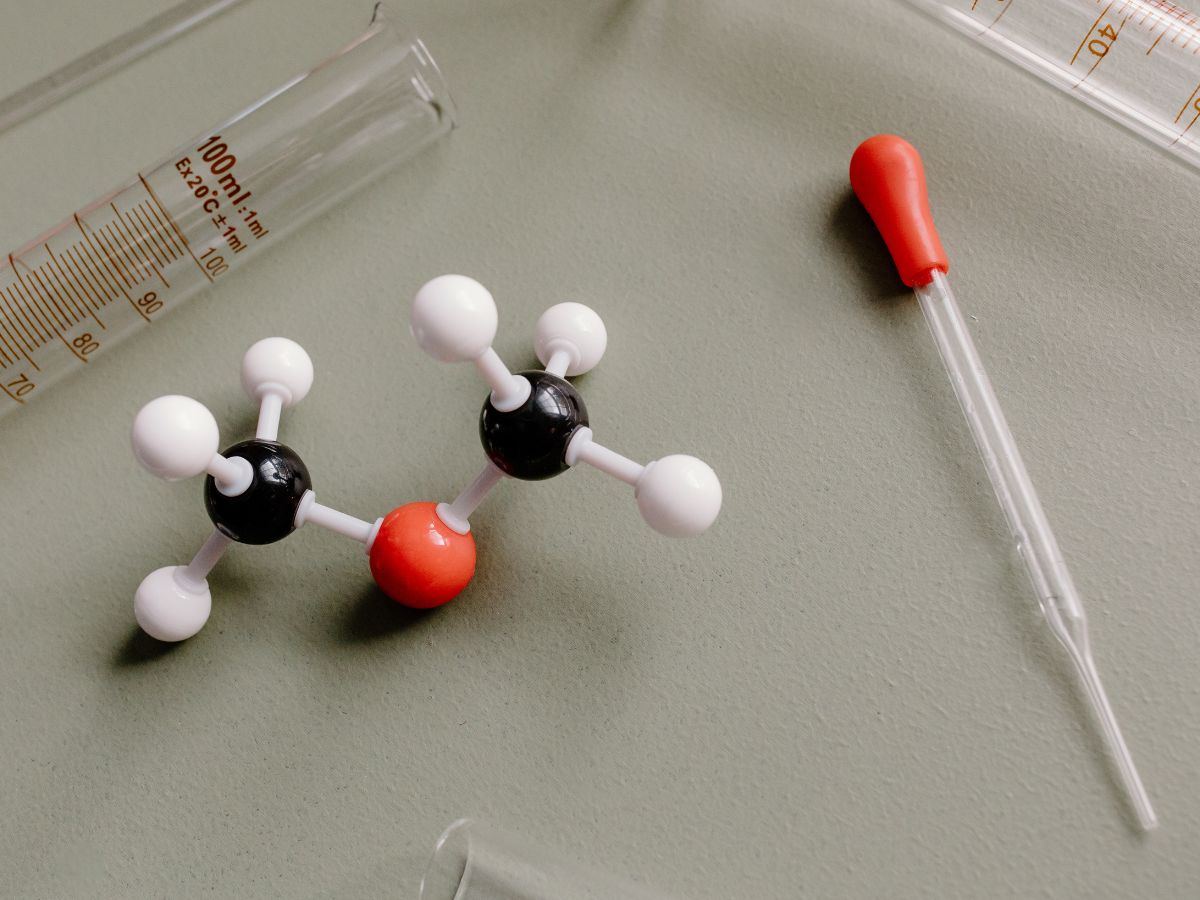
HHC’s structure is based on a hydrogenated version of THC. This modification produces a semi-synthetic cannabinoid considered more stable. Several chemists highlight that this alteration affects how it interacts with endocannabinoid receptors.
Authorities are assessing how this composition influences legal classification. Molecules close to THC are sometimes added to the list of controlled substances. This similarity fuels debates about a potential future ban.
Shops must remain attentive to new public notices issued by institutions. A change in the law could impact how HHC is sold. Many retailers already apply internal procedures to reduce risks.
Effects of HHC on the Nervous System and Addiction Risks
HHC’s effects stem from a direct interaction with CB1 receptors. This interaction creates a more pronounced euphoria than CBD. Many users also describe deep relaxation and altered perception.
Health professionals warn of risks involving psychological dependence. These risks rise with repeated use or high doses. Specialized centres have reported cases of discomfort, nausea and intoxication.
Comparisons with alcohol or nicotine show similar mechanisms. Increasing tolerance may push users to raise their dose. Harm-reduction strategies are therefore helpful to support consumers.

Responsibilities of Retailers and Consumer Risks
Users look for safe products and reliable information. Retailers must therefore adopt a responsible approach to maintain trust. Here are the challenges they face daily.
Roadside Tests, Screening and Misclassification as Narcotics
Roadside tests mainly detect THC, but some react to other cannabinoids. This sensitivity creates concern among users. Several accounts mention confusion between HHC and illegal substances.
Authorities sometimes adopt a strict interpretation of the results. This can lead to sanctions when there is doubt about consumption. Drivers with a positive test often face immediate licence suspension.
Many professionals highlight the importance of waiting several hours after use. This precaution reduces the risk of unexpected positive screening. Experts also recommend avoiding driving after recent consumption.
Product Safety: Contamination, Solvents and Overdose Risks
HHC-derived products often show significant quality differences. This variability increases risks of intoxication or strong side effects. Independent analyses sometimes reveal residual solvents or contaminants.
Cartridges and concentrated resins often circulate without reliable certificates. This lack of complete information raises health concerns. Consumers should always check for accredited laboratory reports.
Responsible retailers prioritise batches tested by external laboratories. This approach reduces toxicity-related risks. Serious shops also communicate clearly about dosages.
Future Developments in HHC Regulation
The future of HHC depends on upcoming decisions by French and European institutions. Authorities are still assessing the health impact of this molecule. Here are the possible scenarios and their consequences for the market.
European Trend Towards Restricting Psychoactive Molecules
Several European countries are already tightening rules on derivative cannabinoids. This trend is based on the psychoactive effects observed among users. Many governments want to prevent increases in addictive behaviours.
The European Union closely monitors these emerging substances. Institutions study their potential toxicity, dependency risks and rising recreational use. This analysis sometimes influences national decisions.
Experts expect stricter measures in the coming months. A harmonisation of laws could include HHC and other semi-synthetic molecules. Such harmonisation would directly affect consumers and retailers.
Possible Scenarios for the Evolution of HHC’s Legal Status
A first scenario involves mild regulation. This would allow HHC sales with mandatory testing for each batch. Many professionals support this approach, which secures the market without banning it.
A second scenario suggests classifying HHC as a controlled substance. This would prohibit sales, production and possession. Active molecules similar to THC often fall into this category when risks are confirmed.
A third scenario proposes an intermediate approach. This would limit available concentrations to reduce psychoactive effects. Shops could continue offering softer alternatives.
Adaptation Strategies for Consumers and Retailers
Consumers can anticipate changes by diversifying their options. CBD- or THCV-based products provide milder effects. This transition reduces risks in case of a future ban.
Shops are already adjusting their catalogues to meet demand. A careful selection reduces products with strong psychoactive effects. This strategy helps maintain stable business despite uncertainties.
Experts also recommend transparent communication. Clear information prepares the public for legal changes. This approach strengthens trust and supports the development of a more responsible market.
HHC still occupies an uncertain legal space in France. Consumers seek reliable guidance to avoid unpleasant surprises. Retailers are adapting quickly to offer safer, better-controlled products. The evolution of the legal framework remains a major issue for everyone involved.