5%
Find all our CBD oils further down on this page.
The most important active ingredient in CBD oil is of course cannabidiol. It has the strongest and most versatile therapeutic properties of all the cannabinoids contained in cannabis. Hemp flower extract is usually fortified with hemp seed oil or olive oil to produce CBD hemp oil. Most often in the form of drops, but CBD extract is also available in the form of capsules for ingestion. We therefore offer hemp oil, or CBD in drop form, of high quality and that fits your preferred mode of consumption. Come and discover them quickly!
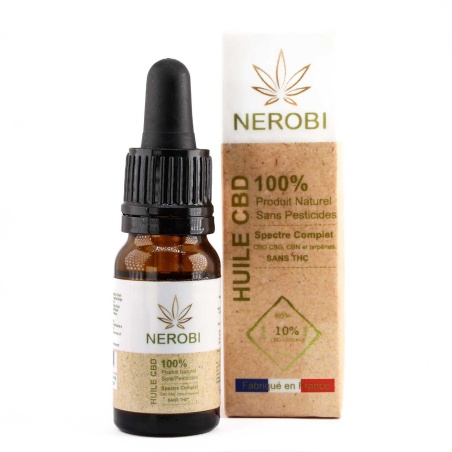
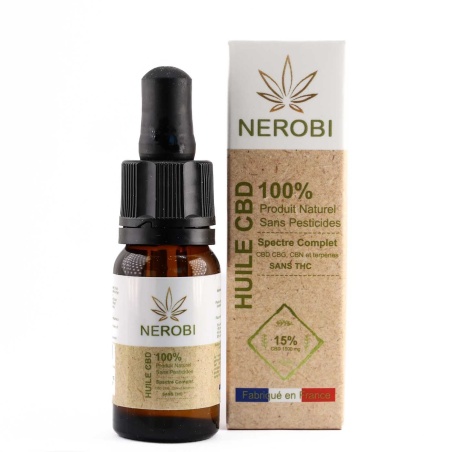
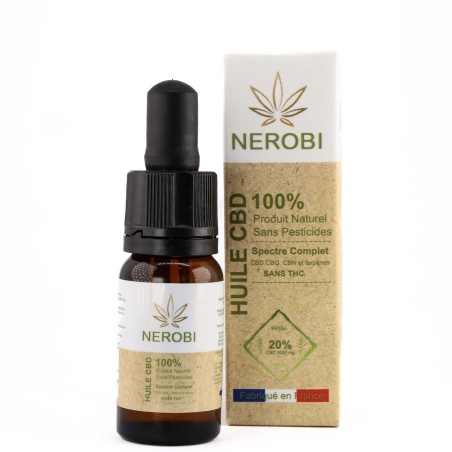
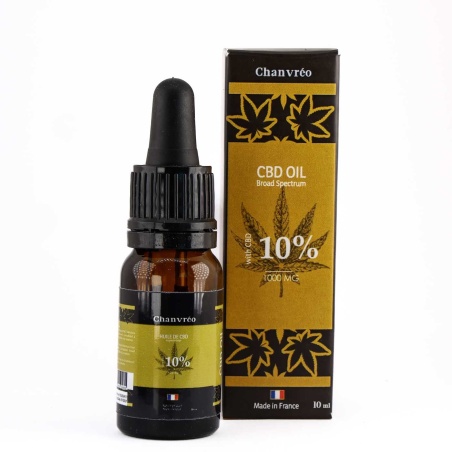
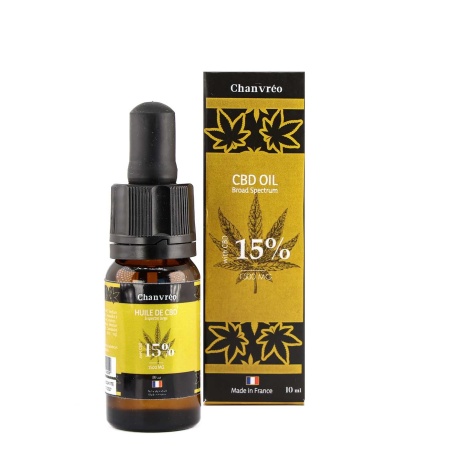
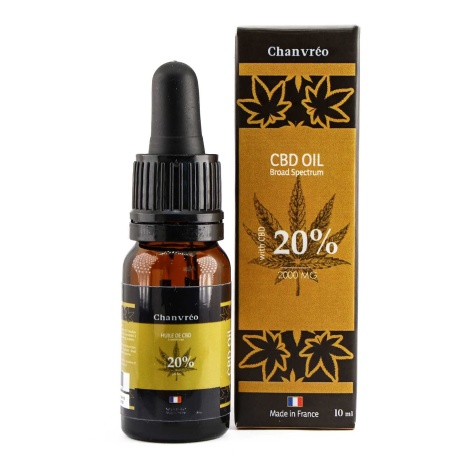
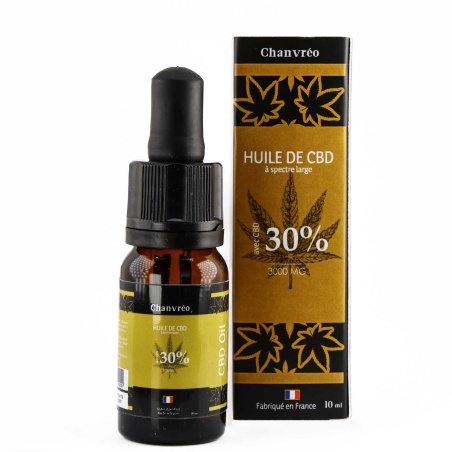
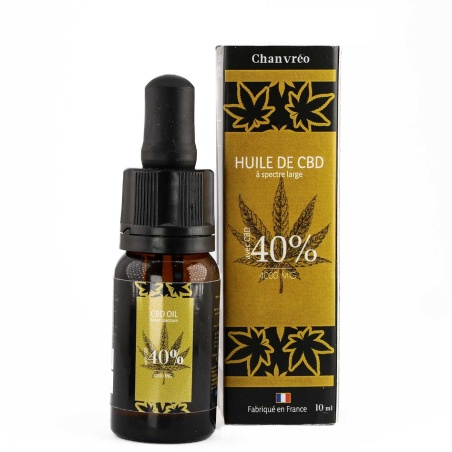
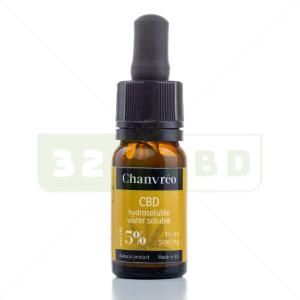
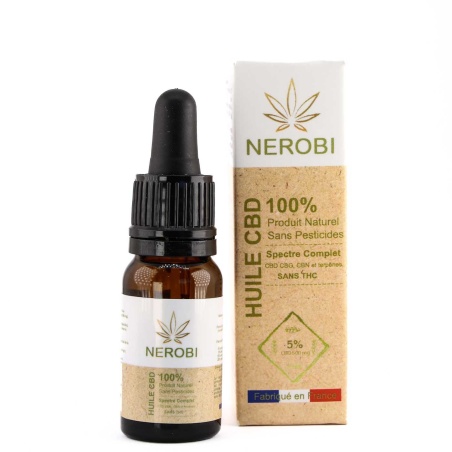
| 1️⃣ - Best CBD Oil: | Nerobi Full Spectrum 10ml 15% |
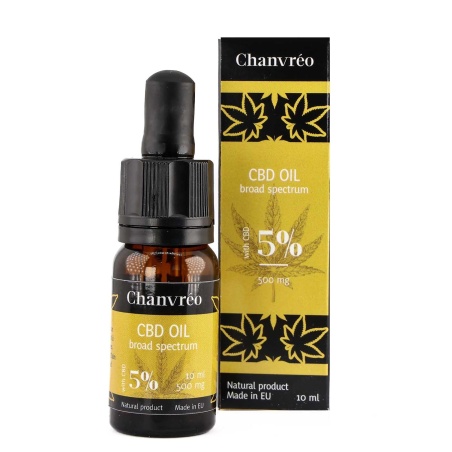
| ✅ - Cheapest CBD oil: | Chanvreo Broad Spectrum 10ml 5% |
| ❤️ - Favorite CBD Oil: | Nerobi Full Spectrum 10ml 10% |
| ☄️ - Most powerful CBD oil: | Chanvreo Broad Spectrum 10ml 40% |
You hear about CBD everywhere. But what is it, really? Let’s clear things up—plainly, without buzzwords or misconceptions.
Cannabidiol (CBD) is an active compound extracted directly from hemp. It belongs to the large family of cannabinoids naturally found in this plant. It is a 100% natural substance.
Forget the clichés associated with recreational cannabis and its mind-altering effects. CBD is not psychoactive and does not change your state of consciousness. It does not get you high.
CBD interacts with the body’s endocannabinoid system to support its natural balance. It helps the body regulate itself on a daily basis. You remain fully clear-headed while benefiting from gentle, natural regulation. In short, it soothes without impairing your abilities.
CBD oil is not a magical liquid. It results from a precise extraction process. This valuable extract comes from the flowers and leaves of the hemp plant (Cannabis sativa L.). The active compounds never come from the seeds.
The process begins with a raw paste highly concentrated in cannabinoids. This concentrate then undergoes rigorous purification before being diluted. This key step is what ultimately produces the CBD oil sold in stores.
The quality of the raw material makes all the difference. Choosing organic hemp ensures the absence of chemical pesticides. It is the only way to obtain a clean, pure product.
French law is very clear on this often misunderstood topic. CBD-derived products are fully legal to sell and consume. There is no legal risk involved. This framework is well established both commercially and legally.
One strict rule must be respected. The final product must contain less than 0.3% THC. This threshold guarantees the absence of any intoxicating effect.
This strict regulation exists to protect consumers. It allows you to benefit from hemp’s properties without risk and avoids exposure to illicit substances.
Calling it an “oil” is technically a shortcut. It is not a fat pressed directly from a plant, like olive oil.
The formulation relies on a precise blend of two elements. A purified CBD extract is dissolved in a vegetable carrier oil. Without this fatty base, the body would absorb CBD very poorly. This is basic chemistry.
Manufacturers commonly use MCT coconut oil or hemp seed oil. Olive oil is also a traditional option. The choice of carrier affects both taste and how quickly the effects are felt.
Now that the basics are clear, choosing becomes more complex. Not all CBD oils are the same, and their compositions vary significantly.
Full spectrum oil is the most complete and unprocessed version. It contains all the cannabinoids naturally present in the plant, including CBD itself. The extract preserves the plant’s natural integrity.
This is where the entourage effect comes into play. The idea is simple: cannabinoids, terpenes and flavonoids work together in synergy to enhance overall effects. Together, they are more effective than isolated compounds.
As a result, full spectrum oil contains trace amounts of THC. The level always remains below the legal limit of 0.3%, but this presence matters for sensitive individuals or those subject to professional testing.
Broad spectrum oil offers a smart compromise for many users. It retains most cannabinoids and terpenes, providing a partial entourage effect without losing the plant’s richness.
Its key feature is that THC is completely removed after extraction. This is the main difference from full spectrum oil, which retains traces. Here, there is no psychoactive risk.
It is an ideal choice for those seeking the benefits of cannabinoid synergy without any THC. A reassuring option for personal or professional reasons.
CBD isolate is the purest form of cannabidiol. It consists of over 99% pure CBD, initially crystallized before being diluted in a carrier oil.
This type of oil contains only CBD. All other cannabinoids, terpenes and plant compounds are removed through an intensive purification process.
It suits people who want CBD alone or who are sensitive to other hemp components. The flavor is also much more neutral, making it easier to consume.
This table highlights the key differences to help you make an informed choice. The goal is to simplify what can seem complex at first glance.
|
Criteria |
Full Spectrum CBD Oil |
Broad Spectrum CBD Oil |
CBD Isolate |
|
Composition |
All cannabinoids, terpenes, flavonoids |
All cannabinoids and terpenes except THC |
Pure CBD only (>99%) |
|
THC content |
Yes, traces < 0.3% |
No, 0.0% |
No, 0.0% |
|
Entourage effect |
Optimal |
Present (without THC) |
None |
|
Best for |
Those seeking maximum plant effect and not subject to testing |
Those wanting synergy without THC |
Those who want only CBD or are sensitive to other cannabinoids |
|
Taste |
Strong, earthy, vegetal |
Lighter than full spectrum |
Very neutral, almost tasteless |
Let’s break it down. Full spectrum oil is often seen as the most “natural” option, as it respects the whole plant, but its strong taste can be off-putting. Broad spectrum stands out as the safest and most versatile choice, avoiding THC-related concerns while remaining effective.
CBD isolate is the most targeted and neutral option, ideal for sensitive palates. There is no single “best” choice—only the one that best fits your current needs and situation.
Beyond the type of spectrum, other technical details on the label make a real difference. Here are the key points to check to avoid making the wrong choice.
The CBD concentration, clearly displayed as a percentage (%), defines the actual strength of the product. In practical terms, this figure indicates the exact amount of active cannabidiol in the bottle relative to the total volume. The higher the percentage, the more concentrated the extract.
As a general guideline, low concentrations (5–10%) are suitable if you are new to CBD or looking for mild support. Medium concentrations (15–25%) are well suited for regular daily use. High-strength oils (30% and above) are designed for experienced users or more intense needs.
A higher concentration is not inherently “better” in absolute terms. It mainly means you will need fewer drops to achieve the same dose in milligrams. This is primarily a matter of convenience and cost efficiency.
Because pure CBD extract is too thick, it is diluted in a fatty base, which directly affects the overall experience. MCT coconut oil (Medium-Chain Triglycerides) is the most popular option thanks to its completely neutral taste and its ability to be absorbed very quickly by the body.
Hemp seed oil, on the other hand, emphasizes a more natural profile with a stronger vegetal flavor. It also provides an additional nutritional benefit due to its high omega-3 and omega-6 content, which complements the effects of CBD.
Olive oil is also sometimes used as a carrier and is appreciated for its well-known health properties. Your final choice depends on your tolerance for hemp’s earthy taste or your preference for a neutral base with no aftertaste.
The method used to extract cannabinoids from the plant determines the purity of the final product. This is a fundamental quality criterion that many buyers overlook, yet it makes all the difference.
Always look for supercritical CO₂ extraction on the label. This advanced process uses high-pressure CO₂ to extract active compounds without harsh or toxic chemical solvents. It guarantees a clean oil that respects your health.
Today, this technique is considered the gold standard for producing pure and safe CBD extracts. If a brand does not clearly disclose its extraction method, question the true quality of what you are consuming.
The CBD market still lacks strict regulation, which sometimes allows questionable products to circulate. Trust should never be blind. It must be verified through concrete proof before making a purchase.
Always demand a recent Certificate of Analysis (COA). This official document, issued by an independent third-party laboratory, confirms the actual composition of the product: exact CBD content, compliance with legal THC limits, and the absence of heavy metals.
Be uncompromising. A reliable brand makes its COAs easily accessible, often via a QR code on the packaging. This is the only tangible proof of transparency and credibility. If the analysis is missing or hidden, walk away.
Now that the technical aspects are clear, let’s move on to practical use. Why do so many people turn to CBD oil? Here are the main well-being areas it is associated with.
Stress has become the background noise of modern life. Many people use CBD oil to “press pause” and regain a sense of calm and mental relaxation.
This soothing effect appears to be linked to internal chemistry. Cannabidiol may interact with serotonin receptors, a key neurotransmitter involved in mood regulation and anxiety levels.
It is important to distinguish support from medical treatment. CBD acts as a general well-being aid during temporary stress, not as a treatment for clinically diagnosed anxiety disorders.
Quality sleep often begins with a calm nervous system. Thanks to its relaxing properties, CBD oil is commonly used to reduce the time spent lying awake before falling asleep.
The goal is not only to fall asleep but to stay asleep. By limiting stress-related nighttime awakenings, cannabidiol may promote deep sleep, a crucial phase for physical and mental recovery.
Unlike chemical sleeping pills, this approach is different. It does not sedate the user, nor does it cause physical dependence or heavy grogginess upon waking.
Interest in the anti-inflammatory and analgesic properties of cannabidiol continues to grow. It represents a serious option for those seeking relief from everyday physical discomfort.
Applications are practical and varied. This includes easing sore muscles after exercise, soothing aging joints, or making menstrual discomfort more manageable.
However, precise wording matters. CBD helps relieve sensations and improve comfort, but it does not treat the underlying medical cause.
It is not a miracle cure that erases everything. Rather, it is a reliable ally that supports overall well-being and helps the body self-regulate.
If you'd like to find out more about why you should consume cbd hemp oil, you can check out the literature reviews we regularly publish on our blog.
Using CBD oil effectively is not random. The method of administration, timing and dosage directly influence the effects you experience. Rather than following rigid rules, the goal is to adopt an approach tailored to your needs, sensitivity and daily routine. Below are the most common options, with their advantages and limitations.
To get the most out of your CBD oil, keep it simple. Sublingual use is, by far, the option I recommend. It is discreet, fast and highly effective.
The technique is straightforward: place a few drops under your tongue. Do not swallow immediately. Wait 60 to 90 seconds before swallowing. This area is rich in small blood vessels ready to absorb the compound.
By doing this, cannabidiol enters the bloodstream directly, bypassing digestion. Absorption is fast, and the effects are noticeable.
If the earthy taste puts you off, oral ingestion is an alternative. Simply add your drops to yogurt, a drink or food. This is an easy way to mask the natural bitterness of hemp.
Keep in mind that the process is slower, as CBD must pass through the liver. Absorption will therefore be slower and slightly reduced. One rule to remember: never heat the oil above 160°C to preserve its active compounds.
Topical application should not be overlooked for targeted relief. Massage 1 to 2 drops onto the skin, either pure or mixed with your usual cream. This approach is highly effective for localized muscle or joint discomfort.
Here is a truth many people ignore: there is no universal magic dose. Your body is unique, and the ideal amount is just as personal.
Follow the “start low and go slow” method. Begin with a very low dose, just 1 or 2 drops of a low-strength oil (5% or 10%). Stick with this dose for several days to allow your body to adjust.
Then, listen to your body and increase the dose gradually if needed. The goal is to find your “minimum effective dose,” the amount that provides relief without wasting product.
For accuracy, dosage should be measured in milligrams (mg) of CBD, not drops. Drops are merely a convenient delivery method. This is where most people miscalculate.
Keep this rule in mind: a standard 10 ml bottle contains about 200 drops. This is your reliable base.
Conversion guide for a 10 ml bottle:
With these figures, you can accurately track your intake in milligrams and adjust your dosage with precision.
Regardless of your bottle’s concentration, this method removes guesswork. You know exactly what you are consuming for optimal results.
CBD is generally safe, but it is not trivial. Before getting started, certain precautions are essential for a smooth and risk-free experience.
Natural does not always mean harmless. Drug interactions are real and often overlooked. This is the number-one precaution to check before using CBD oil.
The issue lies in the liver. CBD is metabolized by a group of enzymes known as cytochrome P450 (CYP450). These same enzymes are responsible for breaking down most conventional medications.
If CBD occupies these enzymes, medications may not be metabolized properly. This can alter their blood concentration, particularly for anticoagulants. Consulting a healthcare professional is essential if you are on medication.
This question comes up constantly and causes a lot of concern. Let’s be clear: roadside drug tests do not look for CBD. They only detect THC, the illegal psychoactive compound.
However, zero risk does not exist with all oils. Daily use of full spectrum CBD oil can lead to the accumulation of trace THC in body fat over time.
Highly sensitive saliva tests may then return a positive result, even if you acted in good faith. If you require absolute zero risk, avoid full spectrum products and choose broad spectrum or CBD isolate instead.
Do not gamble with your health. Before buying a bottle, follow this essential safety checklist:
These rules are not meant to scare you. They exist to ensure your experience remains positive. CBD is powerful and deserves to be used responsibly.
Responsible use is the key to enjoying the benefits without complications. By following these steps, you avoid unpleasant surprises and focus on what truly matters: your well-being.
It is time to stop believing in miracle cures sold online. CBD oil is not a medicine and never will be. It does not replace any treatment prescribed by your doctor.
Think of it as an additional tool in your wellness toolkit, similar to a vitamin or a herbal supplement. It supports and accompanies, but it does not substitute.
Remember this clearly: CBD does not cure chronic or serious diseases. It simply helps relieve certain everyday discomforts—and that is already significant. Do not expect more from it.
To wrap things up, let’s avoid common mix-ups. The word “hemp” is used for everything and anything, but not all hemp-derived products are the same.
Let’s stop mixing everything together. No, culinary hemp oil is absolutely not the same thing as CBD oil. This is a classic mistake that leaves many poorly informed buyers disappointed.
The difference lies at the source—or more precisely, at the top of the plant. CBD oil is extracted specifically from hemp flowers and leaves. By contrast, culinary hemp oil comes exclusively from cold-pressed seeds (hemp seeds).
The result? Hemp seed oil is packed with omega fatty acids and vitamins, but it contains absolutely no CBD. It is an excellent oil for salads, but completely useless if you are looking for a wellness product.
Let’s be honest about another term that is often misused: cannabis oil. When this specific term is used, it usually refers to a dark, thick oil that is especially rich in THC.
It is extracted from cannabis varieties specifically bred for their high THC content. In France, this product is psychoactive and illegal, except within the very narrow framework of current medical experimentation.
Do not confuse the two. CBD oil and cannabis oil are polar opposites. One soothes without causing a high, the other alters consciousness and puts you on the wrong side of the law.
CBD oil occupies a distinct place in the market. It is neither a culinary food product, nor a medicine in the strict sense, and certainly not a drug. It sits precisely at the crossroads of wellness and raw natural compounds.
It is a technical product. To truly benefit from it, you need to understand concepts such as spectrum and concentration. Otherwise, you are navigating blindly and may miss out on its potential benefits.
Its true purpose is to support the body’s natural balance. It interacts gently and non-invasively with the endocannabinoid system, without ever overwhelming the body.
Everything always comes back to the raw material. The final and most decisive distinction depends solely on which part of the plant ends up in the bottle.
Remember this once and for all: flowers and leaves are used to produce cannabinoid-rich extracts. Seeds are pressed to obtain a nutritious culinary oil.
This fundamental difference explains the radically different uses, properties, and prices of these products. They all come from hemp, but they have nothing in common.
321 CBD offers you its complete range with certified and original cannabis oils at the best value in europe. Our products for your well-being come from the best CBD cultures in France, Switzerland and Italy and are tested by independent laboratories specialized in medical cannabis and CBD. Objective: to validate CBD concentration and THC levels. Our know-how, and that of our partners in Europe, ensures you 100% natural cannabidiol oils that contain no impurities.
Our 4 star products, Nerobi brand CBD oils, come in a 10 or 30 ml bottle with progressive CBD levels ranging from 5% to 40% to meet every need, increase your well-being, reduce your pain. So your consumption can go crescendo following a progressive dosage according to the effects you feel.
 Secure payment
by credit card
Secure payment
by credit card
 Customer service
based in Strasbourg
Customer service
based in Strasbourg
 Free delivery
fast and discreet
Free delivery
fast and discreet
 Premium quality
at the best price
Premium quality
at the best price