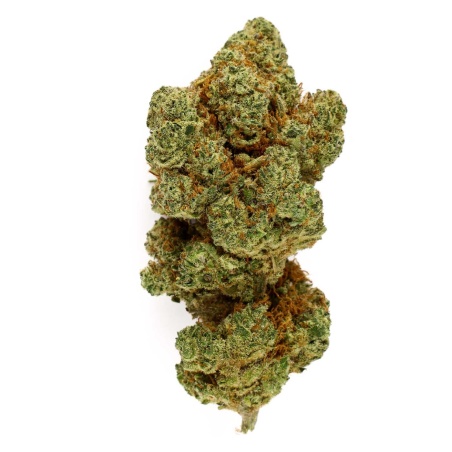
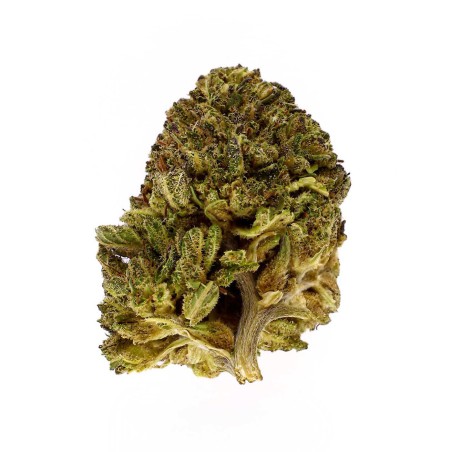
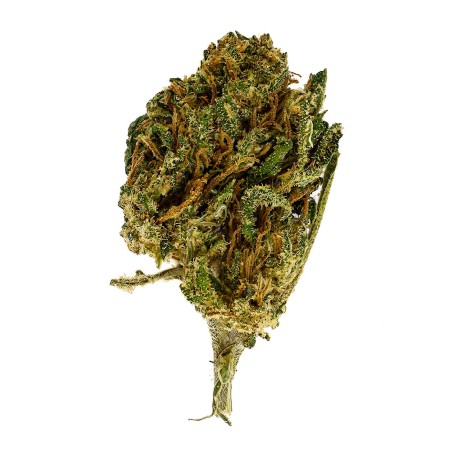
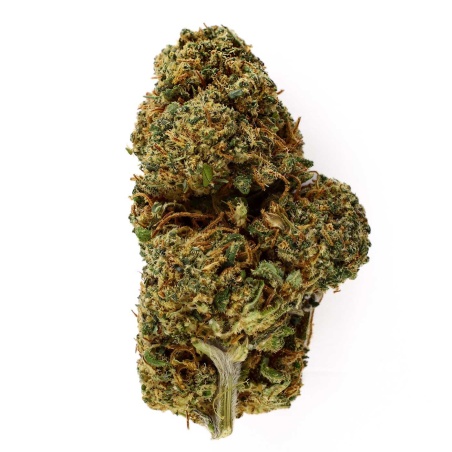
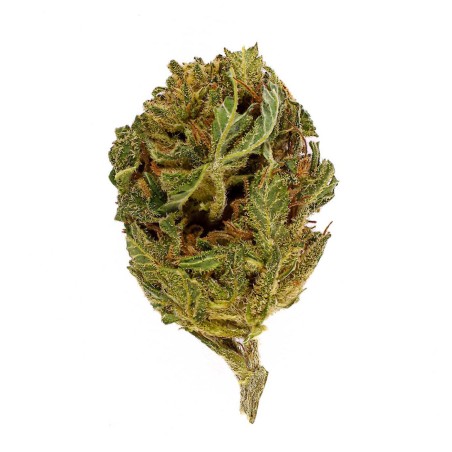
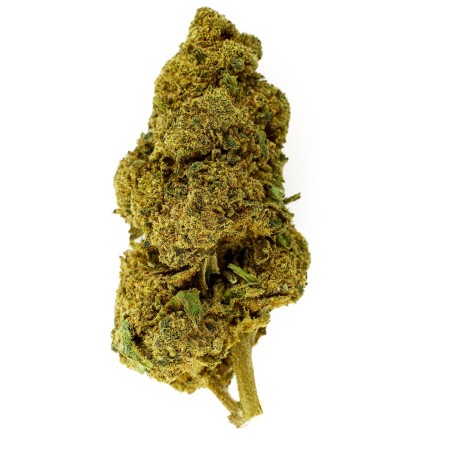
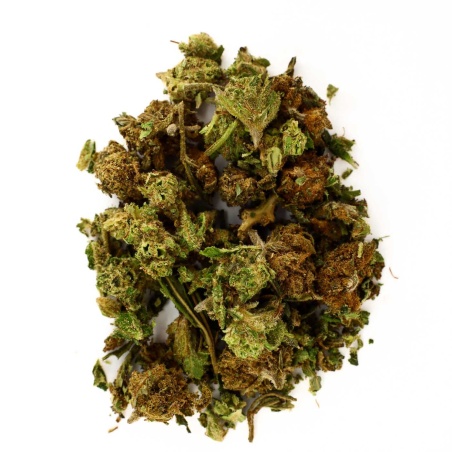
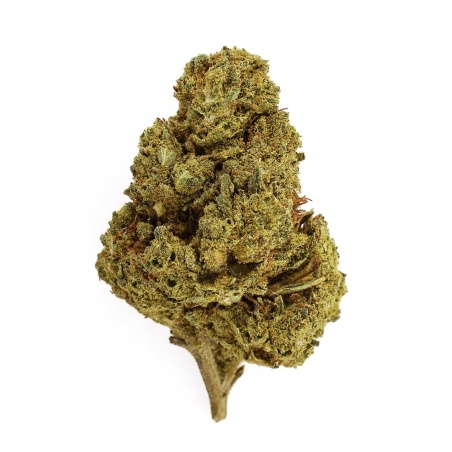
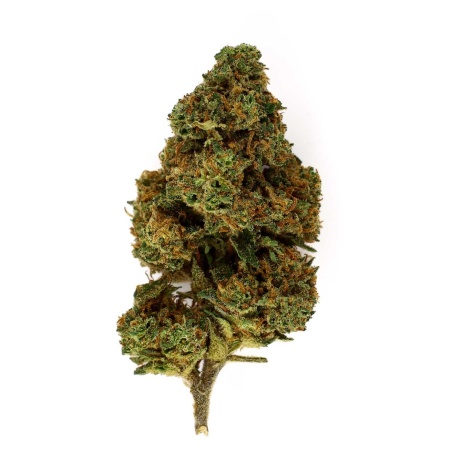
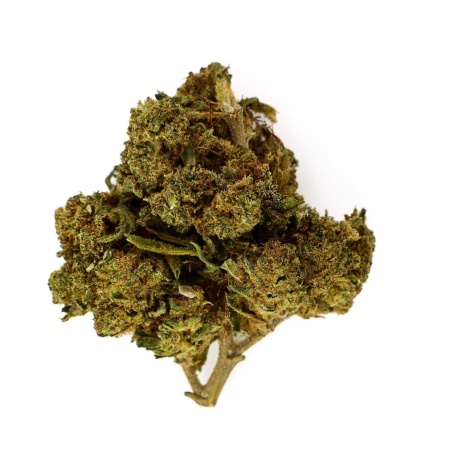
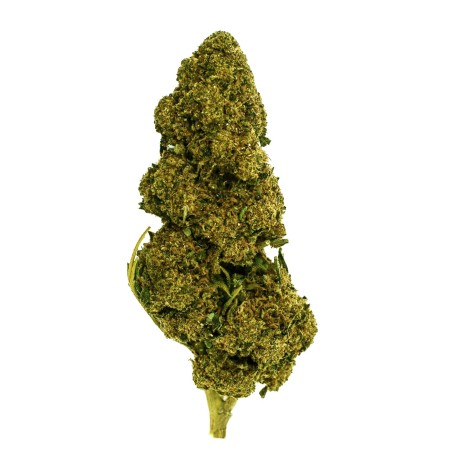
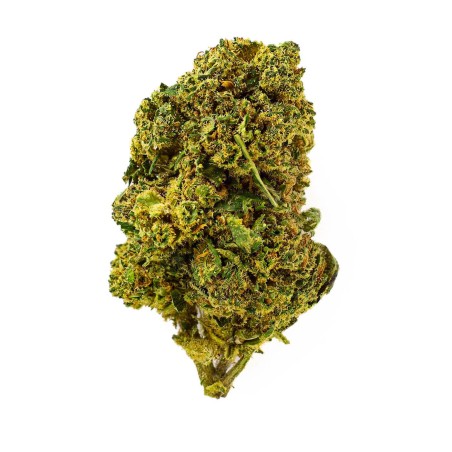
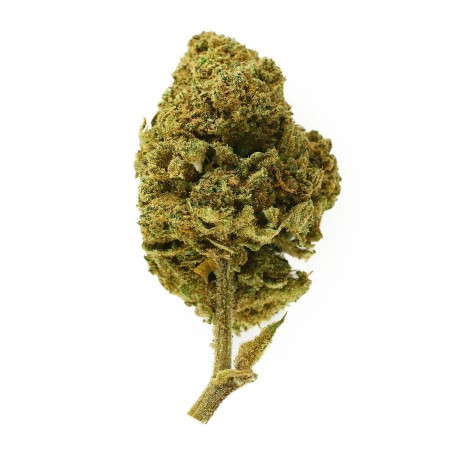
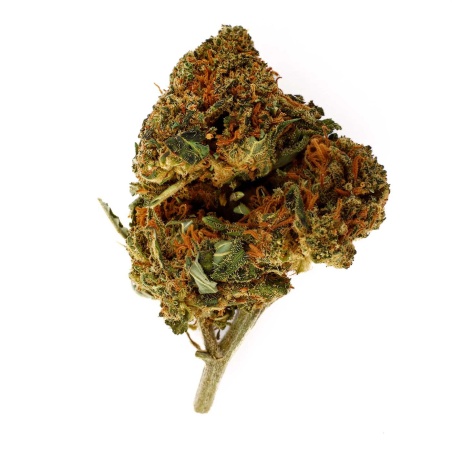
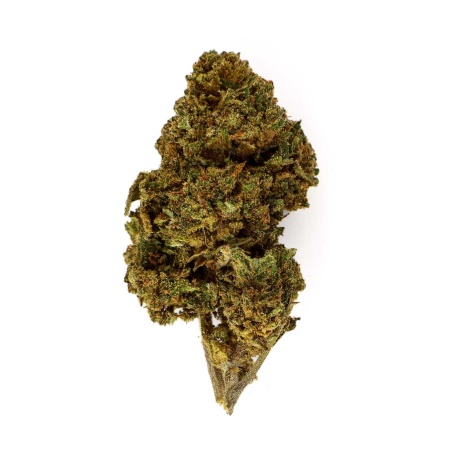
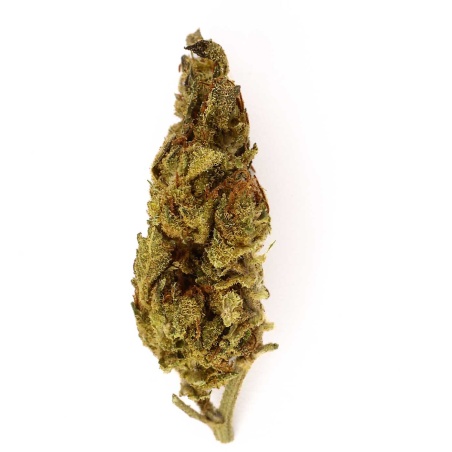
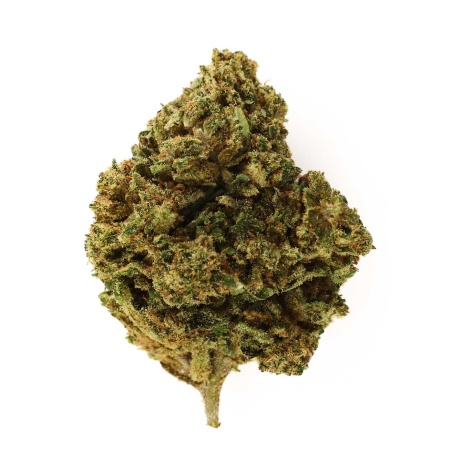
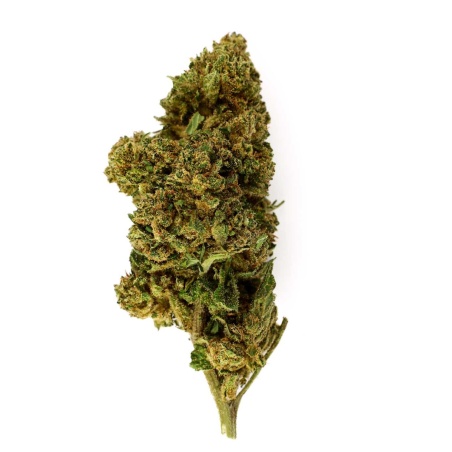
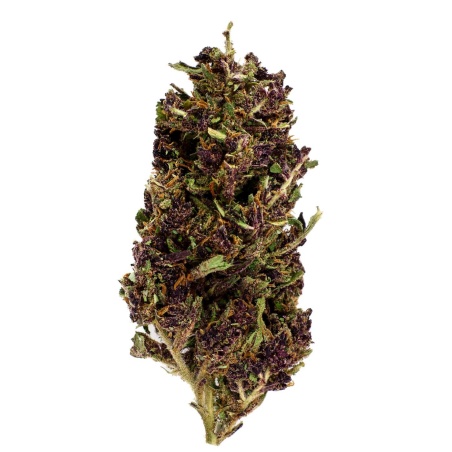
What Is a Premium CBD Flower?
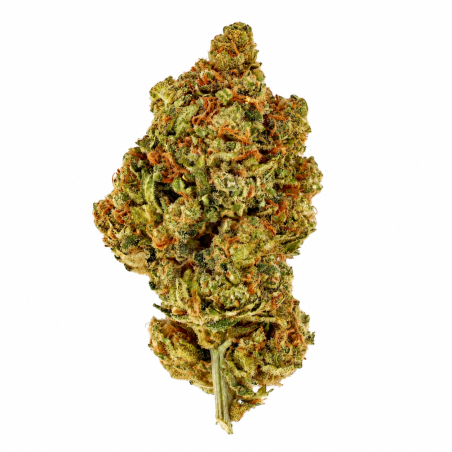
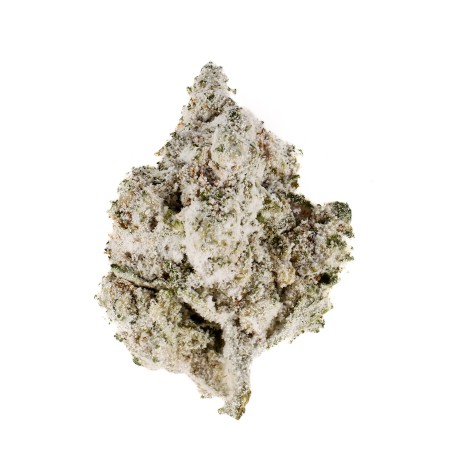
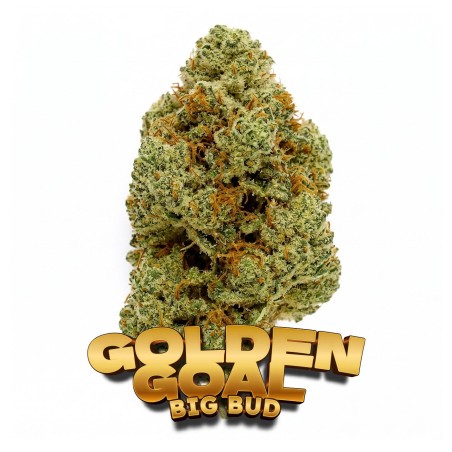
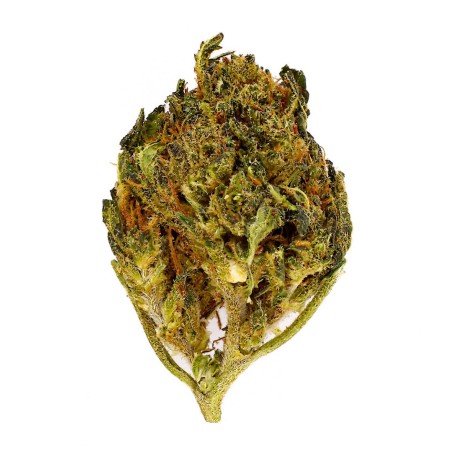
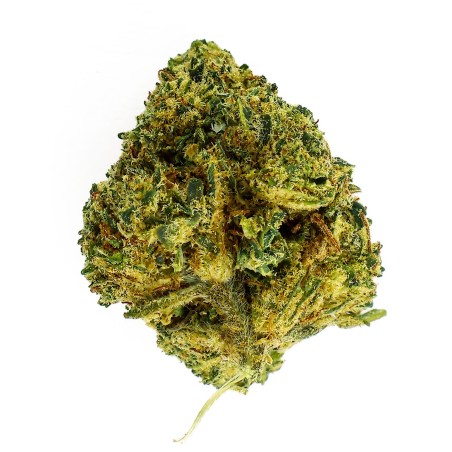
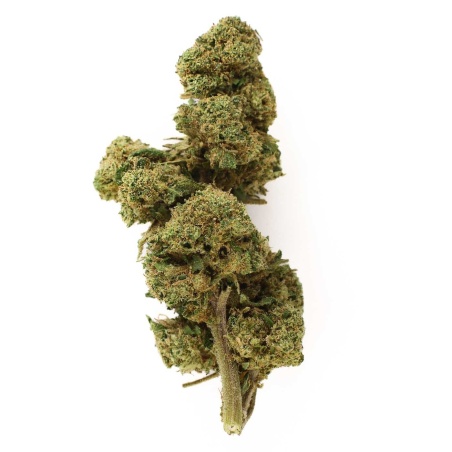
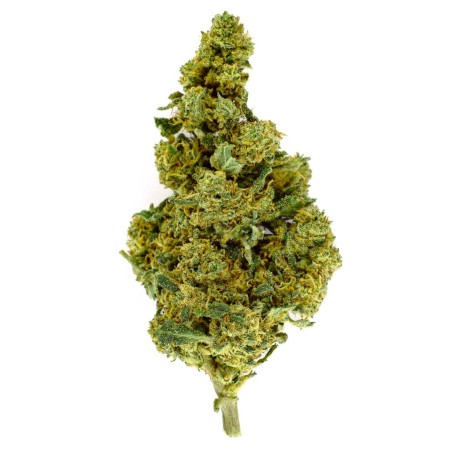
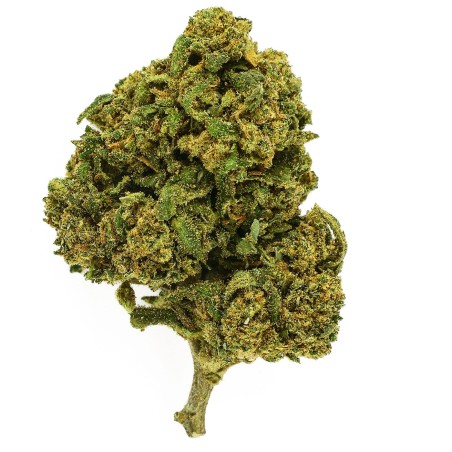
Before you buy CBD flower online, it’s important to understand what makes a high-quality product. A premium CBD flower is far more than just a plant—it is the result of expert agricultural craftsmanship.
The Hemp Flower, Without the “High”
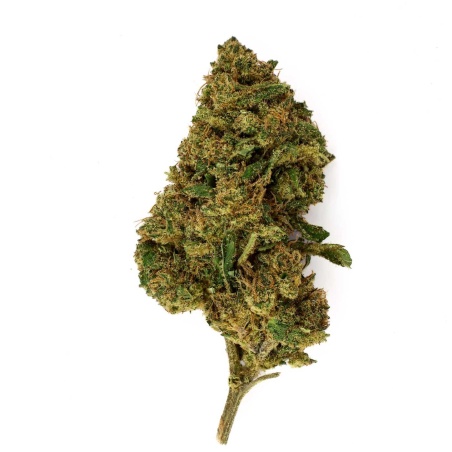
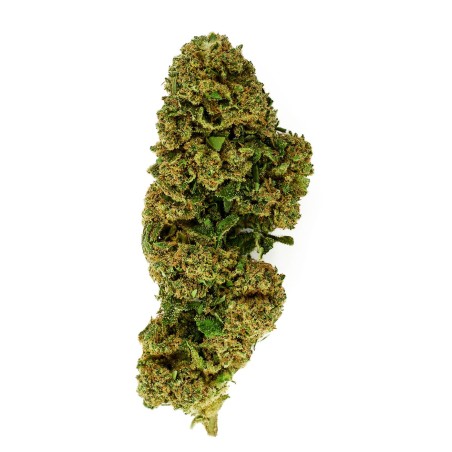
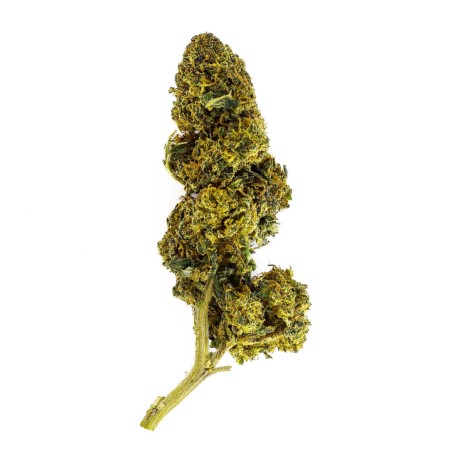
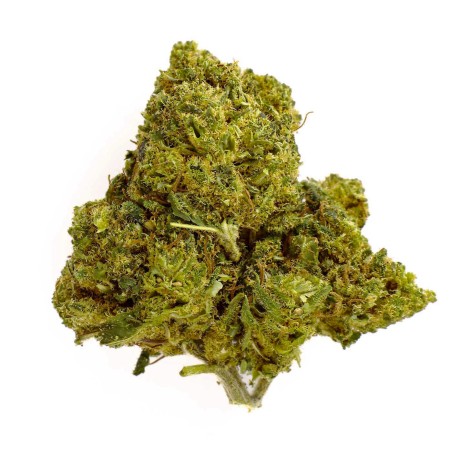
A CBD flower is simply the bud of the female hemp plant (Cannabis sativa L.). Master growers carefully cultivate these plants to load their trichomes with cannabidiol (CBD) while deliberately minimising unwanted psychoactive compounds.
It is the polar opposite of recreational marijuana. The key difference lies in its near absence of THC (tetrahydrocannabinol), the molecule responsible for altering consciousness. In short, you enjoy the plant’s complex aromatic profile and natural soothing properties, without any psychoactive effects. You stay grounded, clear-headed, and relaxed.
The Legal Framework: Is CBD Legal in Europe?
Legality is our top priority. Throughout the European Union, the sale, purchase, and possession of CBD hemp flowers are fully legal, provided that the final product contains less than 0.3% THC (or 0.2% depending on specific local jurisdictions).
Below this threshold, authorities recognise that there is no psychotropic risk. CBD flowers are therefore classified and sold legally as wellness products. Every batch at 321CBD is tested in independent laboratories to guarantee strict compliance with these European guidelines.
Note on public use: Because legal hemp looks and smells exactly like illegal cannabis, we advise discretion when consuming in public spaces to avoid misunderstandings with local authorities.
The Entourage Effect: Nature’s Synergy
This is a concept true hemp enthusiasts appreciate: the entourage effect. CBD does not act alone. A raw, natural flower contains hundreds of active compounds that interact simultaneously.
These include terpenes (which shape the unique aroma and flavour) along with minor cannabinoids such as CBG or CBN. Together, they create a botanical synergy that modulates and enhances the benefits of CBD on the body. This complete profile delivers a much richer and deeper experience than isolated CBD products.
Why Buy Bulk CBD Flower?
For regular users, finding the best price per gram is crucial. If you are looking for cheap CBD flower without compromising on quality, buying in larger quantities is the smartest move. Purchasing bulk CBD flower (up to 100g bags) or choosing our Premium Trim allows us to offer you top-tier indoor quality at an unbeatable wholesale price. It’s the perfect option for making daily infusions or cooking.
How to Choose the Best CBD Hemp Flowers
The online market is vast, and not all buds are created equal. Here are the key criteria to consider when you shop for CBD.
Growing Method: Indoor, Outdoor, or Greenhouse?
- Indoor Cultivation: The premium tier. Every parameter (light, humidity, nutrients) is strictly controlled, resulting in exceptionally dense buds, rich aromas, and high CBD levels.
- Greenhouse Cultivation: The perfect balance. Plants are protected from harsh weather while benefiting from natural sunlight, offering an excellent quality-to-price ratio.
- Outdoor Cultivation: The most natural and cost-effective method. Flowers grow under the sun, developing unique, robust, and earthy terpene profiles.
Genetics and Aromas: Sativa vs. Indica
While hybrids are common, understanding the dominant genetics can guide your choice:
- Sativa-dominant strains: Known for uplifting, energising, and focusing effects. Ideal for daytime use (e.g., Orange Bud, Lemon Haze).
- Indica-dominant strains: Renowned for deep physical relaxation and muscle release. Perfect for unwinding in the evening (e.g., Bubba Kush, Strawberry).
How to Use CBD Flowers
Forget combustion—smoking destroys terpenes and is harmful to your health. Here are the most effective alternatives:
Vaporization: The Gold Standard
Using a dry herb vaporiser heats the plant material at controlled temperatures (160°C – 210°C). This prevents combustion and releases cannabinoids as a clean vapour. Effects are felt almost immediately, making it the best method for fast stress relief while fully preserving the flavor.
Infusion: Gentle and Long-Lasting
Because CBD is fat-soluble, you must steep your crumbled flowers in hot water along with a fat source (such as whole milk, butter, or coconut oil). Let it simmer for 10 to 15 minutes. The effects take about 30 to 90 minutes to kick in but provide sustained relaxation, making it perfect before bedtime.
How to Identify High-Quality Buds
When you receive your order, here is how you can verify its premium quality:
- Visuals: Vibrant colours and dense structures. Avoid brown or yellow tones. A frosty coating of trichomes (crystals) is a great sign.
- Smell: A premium flower releases a strong, pleasant aroma instantly upon opening the bag.
- Certificate of Analysis (CoA): Reputable brands like 321CBD always provide lab reports to prove THC compliance and CBD concentration.
Our Most Popular CBD Strains
With over 50 varieties in stock, here are the undisputed champions loved by our community:
- Amnesia Haze (Indoor): A legendary strain with nearly 22% CBD, delivering spicy and citrussy notes for perfect mental clarity.
- Ringo's Gift: Our historical bestseller. Packing 24.7% CBD, it offers an earthy taste and highly soothing effects.
- Purple Haze: A beautiful flower with nearly 20% CBD. Often praised for helping users unwind from muscular tension and everyday stress.
- Orange Bud Indoor: A 25% CBD powerhouse bursting with nectarine and citrus aromas. Great for focus and productivity.
- Swiss Tsunami: Dive into a wave of fruity relaxation with this 19.3% CBD strain, excellent for evening unwinding.
Frequently Asked Questions & Precautions
Are there side effects?
CBD is generally very well tolerated. Mild and temporary side effects (like dry mouth or slight drowsiness) only occur if the dosage is too high. Always start low and go slow. If you are taking prescription medication, consult a healthcare professional before use, as CBD can interact with certain liver enzymes.
Will CBD show up on a drug test?
Standard roadside or workplace drug tests look for THC, not CBD. Since our flowers contain less than 0.3% THC, a positive result is highly unlikely. However, trace amounts can accumulate with heavy daily use. To be 100% safe, we advise against driving immediately after consumption.
Do you sell ultra-potent CBD?
Yes! If you are looking for maximum strength, check out our CBD Moonrocks. These are premium buds coated in CBD oil and rolled in pure pollen, reaching an incredible 70% CBD concentration.
Trust our expertise since 2018 and take advantage of our volume discounts and fast, discreet shipping. Additionally, you earn loyalty points on every purchase to save on your next order. Whether you're a beginner or a seasoned connoisseur, we have the perfect bud for your needs.
And you, which CBD flower will you choose today?